




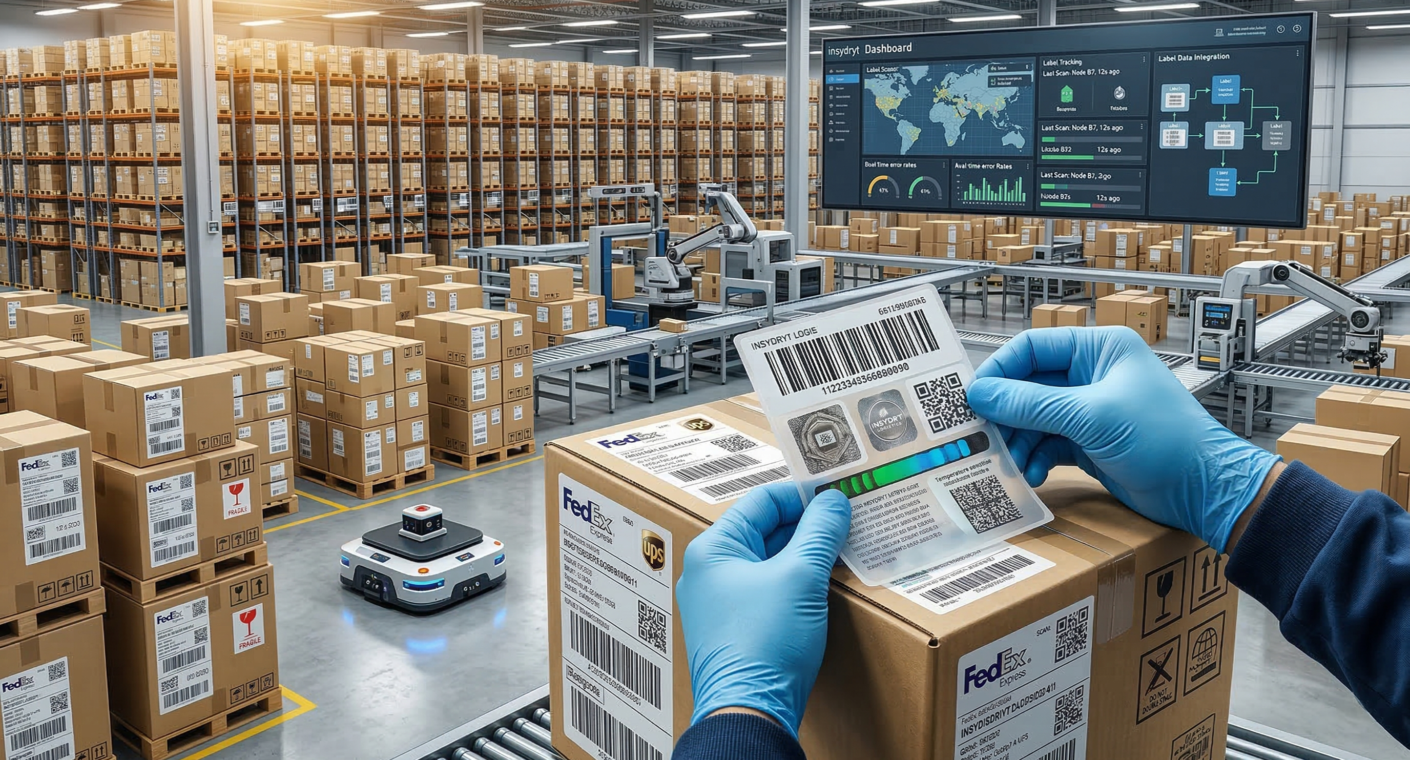
Barcode labels are essential for inventory accuracy, traceability, and fast scanning. Labelton supplies barcode labels designed for print clarity, scan reliability, and consistent roll performance in warehousing, manufacturing, and logistics operations.
Types Of Barcode Labels We Manufacture
Blank Die Cut Barcode Labels
Barcode Labels With Variable Data Print
Blank Die Cut Barcode Labels
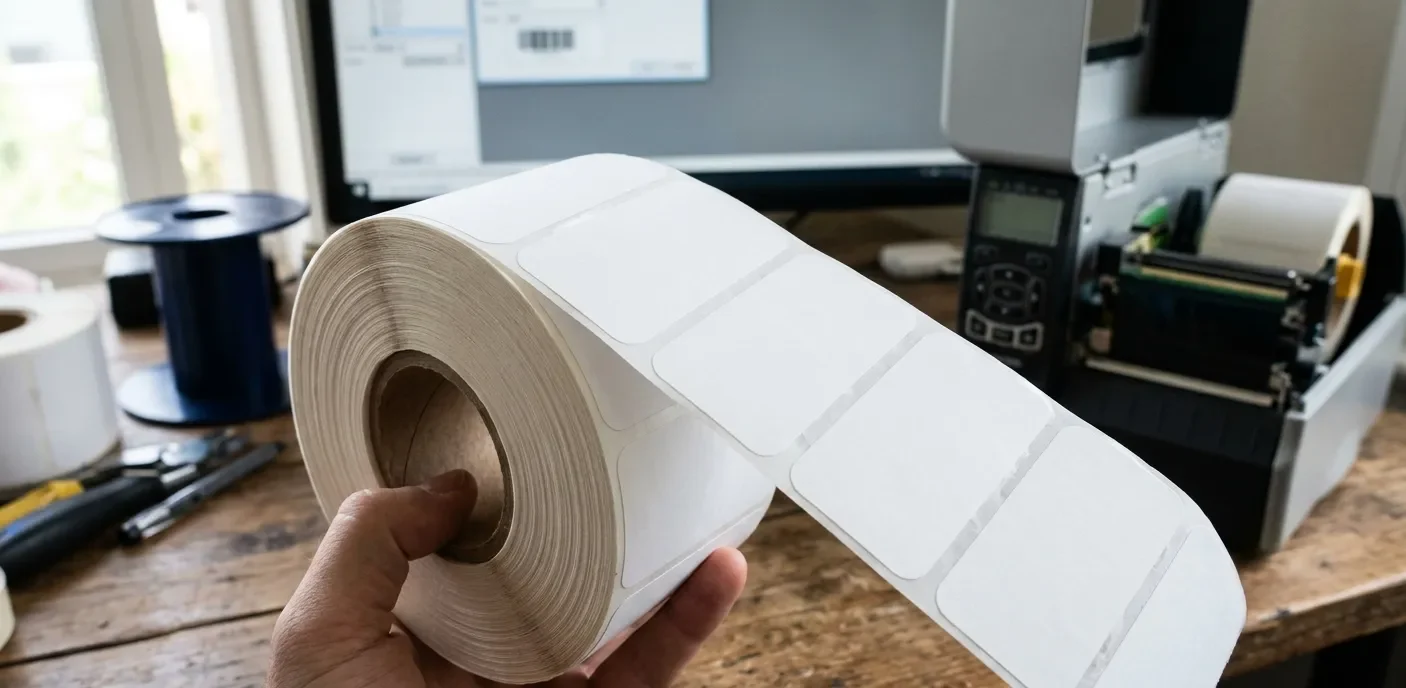
Blank die-cut barcode labels are supplied in ready-to-print rolls with consistent die-cutting and spacing for smooth printing and reliable feeding.
Best fit for:
In-house printing, warehouses, dispatch, manufacturing lines
Key benefits:
Consistent die-cut, stable roll quality, fewer printer errors
Works well when you need:
Flexible printing for SKU changes, batch changes, or multi-location operations
Barcode Labels With Variable Data Print
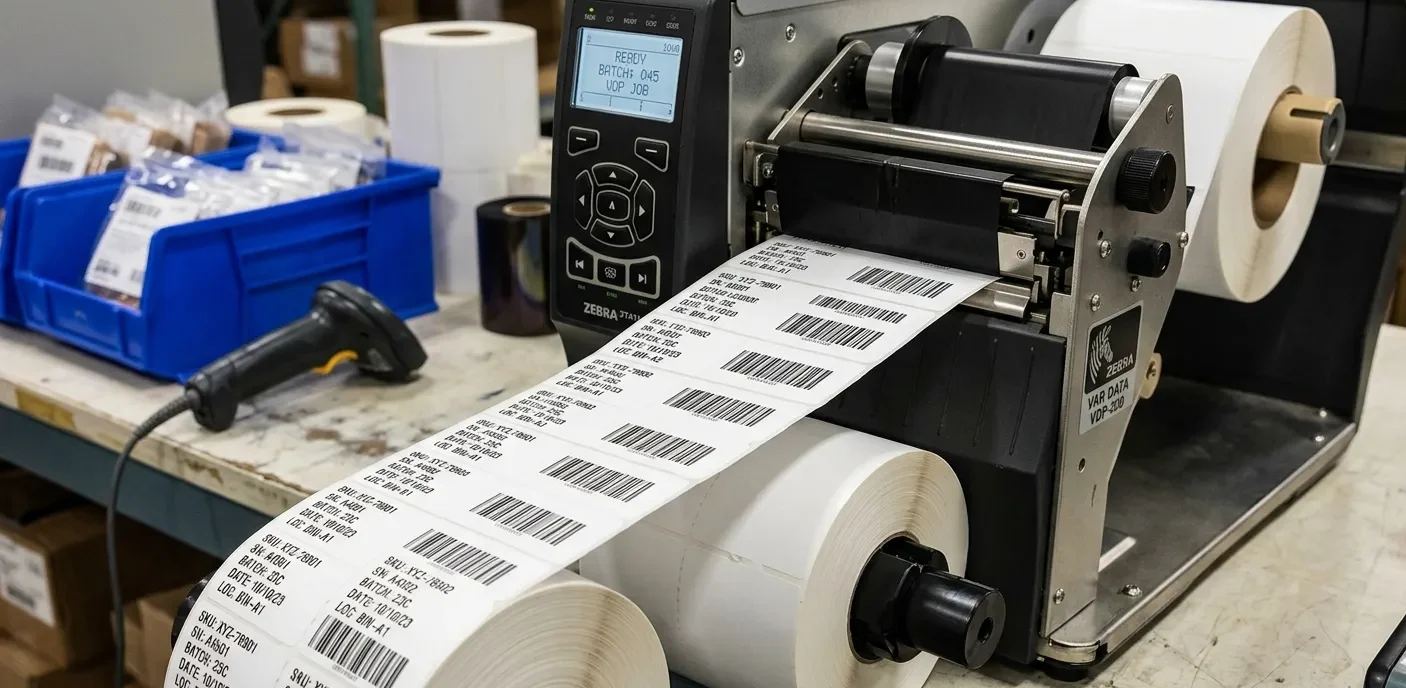
Variable data barcode labels are printed with changing information such as SKU, batch or lot number, serial number, dates, barcode or QR code, and other identifiers. They are suitable when you want ready-to-use labels without the extra in-house printing load.
Best fit for:
High-throughput dispatch, traceability programmes, production labelling
Key benefits:
Ready-to-apply labels, consistent readability, lower internal printing effort
Why Barcode Performance Matters
Barcode labels are designed to support:
Clear print quality and contrast
Consistent dimensions and roll handling
Fewer scan failures and less rework in operations
Less breathable than natural fibers
High durability and resistance to wear and tear
Cost-effective to produce in large quantities
Product Design & Development
Maecenas volutpat blandit aliquam etiam erat
professional quality inspection teams
Easy care and maintenance
Derived from non-renewable fossil fuels
Quality Maintain Every Time
In design, we bring characteristics of the natural world into built spaces, such as water, greenery, and natural light, or elements like wood and stone. Encouraging the use of natural systems and processes in design allows for exposure to nature, and in turn, these design approaches improve health and wellbeing. There are a number of possible benefits, including reduced heart rate variability and pulse rates, decreased blood pressure, and increased activity in our nervous systems, to name a few.
Understand your business
Lorem Ipsum is simply dummy text of the printing and typesetting industry. Lorem Ipsum has been the industry’s standard dummy text ever since the 1500s, when an unknown printer took a galley of type and scrambled it to make a type specimen book.
what is main problems faced textile industry ?
If you are looking to lose weight, maintain healthy weight or gain lean muscle mass, our Certified Sports Nutritionist will create a personalized nutrition plan to help you achieve your goals.
what is the importance of texttile industry?
If you are looking to lose weight, maintain healthy weight or gain lean muscle mass, our Certified Sports Nutritionist will create a personalized nutrition plan to help you achieve your goals.
how can improve textile industry?
If you are looking to lose weight, maintain healthy weight or gain lean muscle mass, our Certified Sports Nutritionist will create a personalized nutrition plan to help you achieve your goals.
what is the demand for textile industry?
Barcode Label FAQS
1. Why are barcode labels essential for inventory management?
Barcode labels help businesses manage inventory accurately by enabling fast and error-free product identification. They reduce manual data entry, improve stock tracking, speed up inventory counts, and provide real-time visibility of inventory movement.
2. What is the difference between barcode labels and QR code labels?
Barcode labels use a one-dimensional (1D) format to store basic information like product IDs and SKUs. QR code labels use a two-dimensional (2D) format, allowing them to store much more data, including URLs, product details, and digital documents.
3. How do barcode labels improve warehouse efficiency?
Barcode labels streamline warehouse operations by speeding up receiving, picking, packing, and shipping processes. They minimize manual errors, improve inventory accuracy, enable real-time tracking, and help increase overall productivity.
4. What causes barcode labels to fail during scanning?
Barcode labels can fail to scan due to poor print quality, damaged or faded labels, low color contrast, incorrect barcode size, improper placement, or exposure to moisture, heat, chemicals, and abrasion. Using high-quality labels and proper printing helps prevent scanning issues.
5. Which barcode labels are best for logistics and shipping?
Thermal transfer barcode labels are ideal for logistics and shipping because they offer excellent resistance to heat, moisture, abrasion, and chemicals. For short-term shipping applications, direct thermal labels provide a cost-effective solution with reliable scanning performance.